What's Worth Buying: A Skeptic's Guide to Senior Sports Gear in 2026
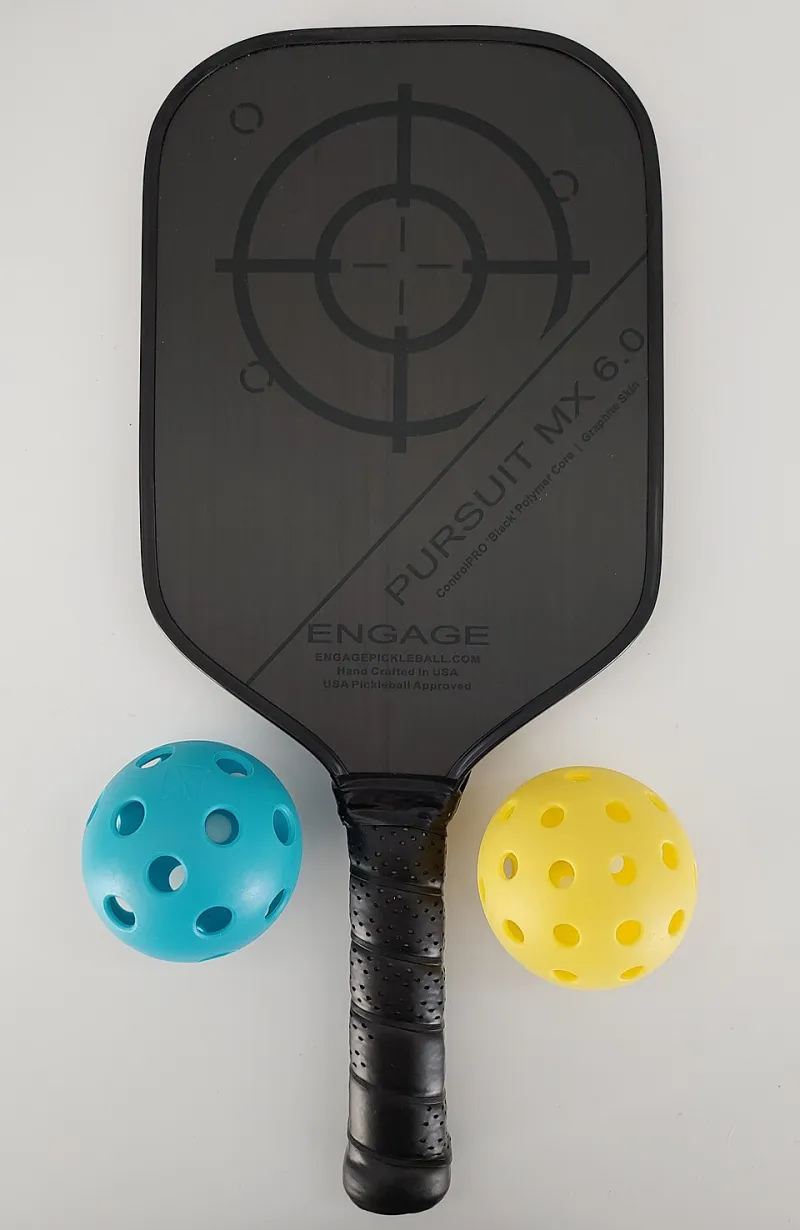
Photo: OvertAnalyzer, CC BY-SA 4.0, via Wikimedia Commons
For most of the last two decades, if you were over 60 and wanted equipment built for your body, you basically shopped in the junior section and hoped for the best. Lightweight meant cheap plastic. Shock absorption meant a thicker grip. Comfort meant a wider shoe in a color nobody would pick on purpose.
That has changed fast. In 2026, the big brands and a swarm of smaller outfits are all chasing the senior dollar, and the result is a genuinely better toolbox — mixed in with a lot of product that exists mainly to hit a price point and a keyword.
Here's how to sort one from the other.
The Three Things That Actually Matter
Strip away the marketing and senior equipment is trying to solve three problems: joint load, stability, and fatigue. Anything that meaningfully reduces the pounding on your knees, hips, and elbows is worth considering. Anything that keeps you upright when you're changing direction is worth considering. Anything that lets you play a third set without your form collapsing is worth considering.
Everything else — the colorways, the "engineered for masters athletes" copy, the little badges — is decoration. Useful decoration, sometimes. But decoration.
Paddles and Racquets: Where the Money Actually Goes
Pickleball paddles have become a genuinely engineered category, and seniors have been the biggest beneficiaries. The real advances are in core construction and surface texture: foam cores and honeycomb hybrids damp vibration noticeably better than the first-generation stiff panels, and a thicker core in the 16mm range generally gives you a bigger sweet spot and a softer feel. That's a real difference for anyone dealing with elbow or wrist issues.
What's mostly hype: the endless arms race on "power." If you're 67 and playing three times a week, more pop is usually the last thing you need. Control and a forgiving face will win you more points than raw pace, and they'll do it without wrecking your shoulder.
On the tennis side, the meaningful shift has been toward frames in the 9.5 to 10.5 ounce range with head sizes in the 105 to 110 square inch window — light enough to swing late in a match, big enough to keep the sweet spot generous, and stiff enough to give you free depth. Heavier frames still have their defenders, and if your arm tolerates them, they're fine. But the old advice to "just go down a grip size and swing harder" has aged about as well as the wooden racket.
One genuinely useful upgrade: string. A softer multifilament or a quality synthetic gut at a slightly lower tension will do more for your arm than most racket purchases, and it costs a fraction as much. Restring on a schedule — every 40 to 60 hours of play, or once a season if you're casual.
Shoes: The Best Value in Senior Sports
If you're going to spend money anywhere, spend it here. Court shoes built for older players are finally prioritizing stability, and it shows. Look for a wider base, a genuinely supportive heel counter, and midsole foam that returns something rather than turning to concrete by the second set.
The features that earn their keep: a slightly lower heel-to-toe drop (kinder to the Achilles and easier to stay balanced), a firm shank through the middle so the shoe doesn't fold under you on a hard cut, and an outsole pattern matched to the surface you actually play on. Playing pickleball on a tennis shoe is fine. Playing tennis in a running shoe is an invitation to roll an ankle.
The features that don't: "energy return" numbers, exotic lacing systems that take four minutes to adjust, and anything that claims to correct your biomechanics. Replace your shoes every 300 to 400 hours of court time, or when the cushioning feels flat. Most senior athletes hang onto shoes about twice as long as they should, and it's the cheapest performance gain available.
Recovery Gear: Buy Less Than You Think
This is where the category has gone feral. Compression everything. Percussion guns. Red-light panels. Vibration plates. Heated anything.
The honest ranking: a good foam roller and a lacrosse ball will outwork most of it, and they cost less than lunch. A percussion massager is genuinely useful if you have a specific tight spot and you'll actually use it — but it's a convenience, not a treatment. Compression sleeves have modest evidence behind them for swelling and perceived soreness; compression boots are pleasant and enormously overpriced for what they do.
Where the money is better spent: sleep. A decent pillow, blackout curtains, and a consistent bedtime will improve your recovery more than any gadget on the market, and it's not close.
A Buying Order
If you're upgrading before your next tournament, go in this order:
Shoes first. Nothing else on this list protects you from injury the way a stable, well-cushioned court shoe does.
Strings and grip second. Cheap, high-impact, and most people neglect both.
Then the paddle or racket, sized to your swing speed rather than to your ego.
Then a roller.
Then, maybe, a percussion gun.
And skip anything that promises to make you younger. You're not buying youth — you're buying durability. Those are different products, and only one of them is actually for sale.