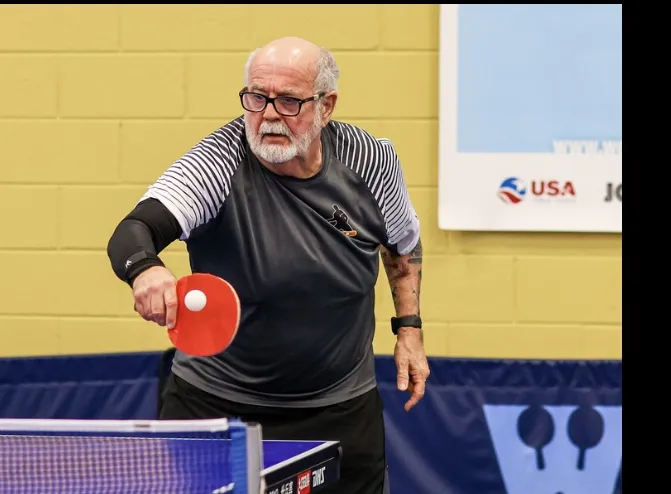
Never Competed Before? Here's How People Over 60 Are Reaching the Podium in Their Very First Season

Evelyn Torres had never entered a competitive sports event in her life. Not in high school, not in college, not at any point in her adult years. She was 64 years old when she signed up for her first masters tennis tournament — mostly, she says, because her friend dared her to.
She won her age group.
"I couldn't believe it," she admits. "I'd been playing tennis recreationally for about six years, but I'd never thought of myself as competitive. Turns out, I just needed someone to tell me I could be."
Evelyn's story is more representative of a broader trend than it might seem. Across senior sports communities in the US, first-time competitors over 60 are showing up, putting in the work, and landing on podiums in their debut seasons. It's not magic, and it's not luck. There are specific reasons it happens — and specific things you can do to make it happen for you.
1. They Chose the Right Sport for Right Now
One of the most common mistakes aspiring competitors make is choosing a sport based on what they loved at 30. The smarter move — and the one that tends to produce faster competitive results — is choosing a sport that suits your current body.
First-time senior competitors who reach the podium quickly tend to pick events where their existing physical profile is genuinely competitive. Strong upper body and solid endurance? Masters rowing or swimming might be your lane. Good balance and hand-eye coordination? Pickleball, table tennis, or senior tennis could get you to a competitive level faster than you'd expect.
The goal in year one isn't to reinvent your physical profile — it's to find the arena where what you already have is enough to be dangerous.
2. They Understood How Thin Some Fields Really Are
Here's something the competitive sports world doesn't always advertise: in many senior divisions, especially in the 65-and-over age brackets, the field is small. Some events have four competitors. Some have eight. That doesn't make the wins less real — it makes them more accessible.
Savvy first-time competitors research the field before they commit to an event. They look at results from prior years, check registration numbers, and identify sports or disciplines where participation is growing but still limited. Showing up prepared in a small field is a completely legitimate competitive strategy, and it's one that first-timers use to great effect.
3. They Hired a Coach Who Understood the Difference Between Fitness and Competition
Getting fit and getting competitive are related, but they're not the same thing. Plenty of 62-year-olds are in excellent physical shape but have no idea how to pace a race, read an opponent, or manage nerves before a match.
The first-time competitors who reach the podium fastest almost universally work with a coach who understands masters competition specifically. Not just a personal trainer, not just a fitness class instructor — someone who has worked with senior athletes preparing for actual events.
That coach helps translate fitness into performance. They build race-specific or match-specific preparation into training. They teach you what competition actually feels like before you're standing at the starting line for the first time.
4. They Set Goals That Were Specific Without Being Rigid
There's a difference between "I want to win" and "I want to finish in the top three in my age group at a regional event by the end of my first season." The second goal is actionable. It has a timeline, a benchmark, and a target that can be tracked.
First-time competitors who succeed tend to be excellent goal-setters. They don't just aim vaguely at "doing well." They identify a specific event, a specific division, and a specific performance standard — and they build backward from there.
At the same time, the best of them stay flexible. If the training reveals that a different event or a different timeline makes more sense, they adjust without ego. The goal is the podium, not a particular path to it.
5. They Treated the Social Side of Competition as a Resource
Senior sports communities are, almost without exception, welcoming to newcomers. The culture in masters athletics — whether it's senior tennis, masters swimming, age-group track, or anything in between — tends to be generous with information, encouragement, and honest advice.
First-time competitors who reach the podium quickly often credit the community as much as the training. They joined local clubs. They showed up to open practices. They asked questions of more experienced competitors and got genuine answers. They found training partners who pushed them without crushing them.
The Senior Cup MTY community is built on exactly this idea — that competitive sport in your 60s and beyond isn't a solo endeavor. The people around you are resources, not just rivals.
6. They Competed Before They Were Ready
This one surprises people every time, but it's almost universally true: the first-time senior competitors who reach the podium fastest enter a low-stakes local event before they feel fully prepared.
Why? Because there are things about competition that training simply cannot teach you. The adrenaline, the nerves, the tactical adjustments you need to make in real time, the physical experience of performing under pressure — you can only learn these things by doing them. The athletes who wait until they feel "ready" often wait too long and arrive at their first event without the experiential foundation that competition itself provides.
Sign up for something small and local within the first few months of training. It will feel uncomfortable. It will probably not go perfectly. And it will make you dramatically better prepared for the events that actually matter.
7. They Reframed What "Late Start" Actually Means
In certain sports, starting late is a genuine advantage. You're arriving without the accumulated wear of a lifetime of competition. You don't have old injuries from decades of overtraining. You don't have ingrained bad habits that need to be unlearned. In some disciplines — masters swimming and senior racket sports in particular — coaches report that late starters often develop cleaner technique than lifelong competitors, precisely because they're learning everything fresh.
The mental framework matters too. First-time competitors over 60 who reach the podium tend to carry zero baggage about past performances. They have no slumps to recover from, no championship pressure to live up to, no identity tied to results they achieved thirty years ago. They're free to compete with pure present-tense focus. That's rarer than it sounds, and it's genuinely valuable.
The Trophy Nobody Saw Coming
Evelyn Torres keeps her first tournament trophy on her kitchen counter, not her mantel. "I want to see it every day," she says. "It reminds me that I almost didn't go. I almost said no."
If you're over 60 and you've been telling yourself that competitive sports are for people who started earlier, trained longer, or were just built differently — the evidence suggests otherwise. The podium is more accessible than you think. The question is whether you're willing to find out.
Compete boldly. Age proudly. And maybe sign up for something this weekend.