Forget What You Were Told: The New Science Proving Older Athletes Can Still Hit Peak Performance
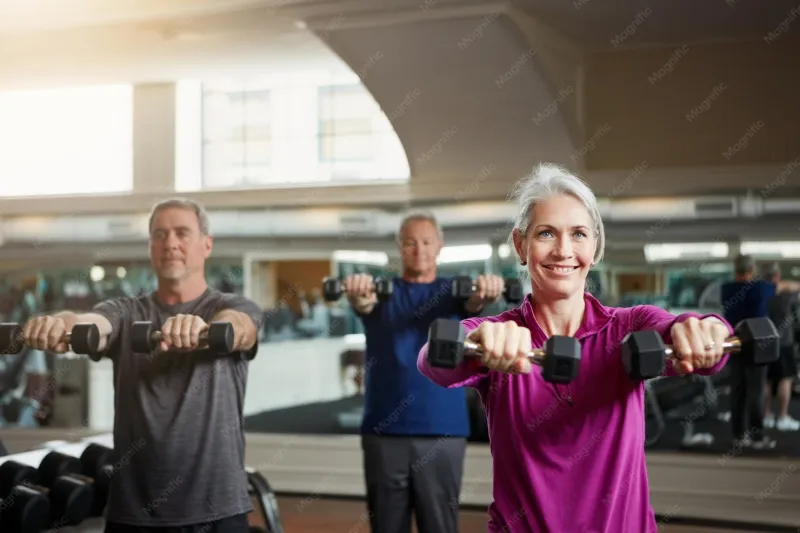
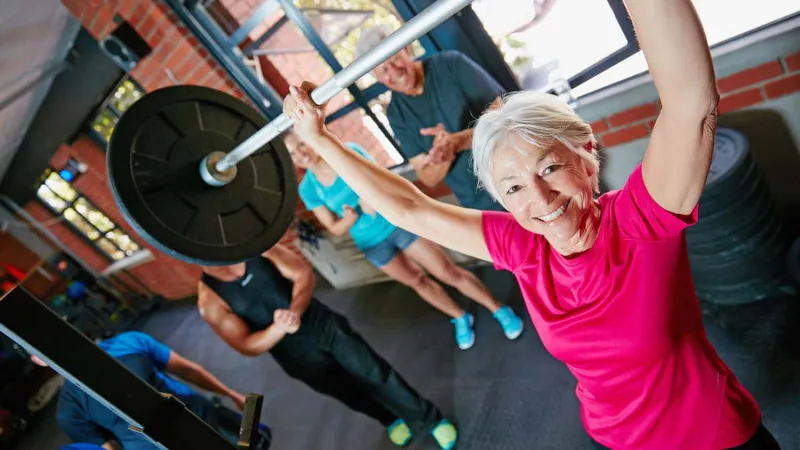
Photo: senior woman strength training gym athletic performance fitness, via img.freepik.com
For a long time, the conventional wisdom went something like this: your athletic prime peaks somewhere in your late 20s, and it's mostly downhill from there. Muscle mass shrinks. VO2 max drops. Recovery takes longer. By the time you hit your 50s, the story went, serious competitive sport was more or less in the rearview mirror.
Sports science is increasingly telling a different story.
Researchers, coaches, and athletes themselves are rewriting what aging looks like in motion — and the results are turning heads. We're not just talking about "staying active for health." We're talking about genuine competitive performance gains in athletes who are 55, 65, even 75 years old. The ceiling, it turns out, is a lot higher than anyone thought.
The Myth of the Inevitable Decline
Let's start with what's actually true about aging and athletic performance — because the picture is more nuanced than either the doom-and-gloom crowd or the overly optimistic wellness industry likes to admit.
Yes, certain physiological changes happen with age. Type II muscle fibers — the fast-twitch ones responsible for explosive power — do diminish over time. Hormonal shifts affect recovery speed. Connective tissue becomes less elastic. These are real.
But here's what the research is increasingly showing: many of the declines we've historically attributed to aging are actually declines caused by inactivity. When older adults train consistently and intelligently, the gap between what they can do and what younger athletes can do narrows dramatically.
A landmark 2023 study published in the Journal of Strength and Conditioning Research followed a group of masters athletes aged 55–72 through a 16-week periodized resistance training program. The average strength gain across the group? Eighteen percent. Muscle mass increased. Power output improved. These weren't fringe results — they were consistent across the cohort.
"We've been dramatically underestimating the adaptability of the older body," says Dr. James Holloway, an exercise physiologist at the University of Colorado who studies masters athletes. "The machinery is still there. It just needs the right stimulus."
Strength Training Is the Cornerstone — and the Rules Have Changed
If there's one area where sports science has made the biggest leap for older athletes, it's resistance training. The old model — light weights, high reps, be careful — has been largely replaced by evidence pointing in a different direction.
Modern periodization programs for senior athletes now incorporate progressive overload, compound movements, and even controlled high-intensity phases. The key difference from programs designed for younger athletes isn't the intensity ceiling — it's the recovery architecture built around it.
"Older athletes can handle a lot more load than people think," says Carla Nguyen, a certified strength and conditioning specialist based in Denver who works exclusively with athletes over 50. "What they can't handle is the same volume without the recovery. So we program differently. Longer recovery windows. More deload weeks. But the intensity itself? We don't shy away from it."
For senior tennis players and other competitive athletes, this translates directly. More leg strength means faster court coverage. Better rotational power means more pace on serves and groundstrokes. The strength work feeds directly into on-court performance in ways that used to be dismissed as irrelevant for older players.
What Nutrition Science Is Getting Right (Finally)
For decades, mainstream nutrition advice for older adults focused almost entirely on weight management and heart health. Athletic performance was barely part of the conversation. That's changing.
Protein timing and quantity have emerged as game-changers for masters athletes. Research now shows that older muscles require more dietary protein per pound of bodyweight than younger muscles to stimulate the same rate of muscle protein synthesis. The old recommended daily allowances, designed for sedentary populations, simply don't apply to competitive seniors.
"Most of the athletes I work with come in significantly under-eating protein," says registered sports dietitian Tamara Ellis, who consults with masters track and tennis programs in the Southeast. "When we get their intake dialed in — usually somewhere between 0.7 and 1 gram per pound of bodyweight, timed around training — the recovery improvements are almost immediate. It's one of the fastest-impact changes we can make."
Beyond protein, creatine — long associated with younger strength athletes — has shown consistent benefits in older populations in recent clinical trials, supporting both strength and cognitive function. Omega-3 fatty acids have demonstrated anti-inflammatory effects that directly support recovery. The supplement landscape for senior athletes is more evidence-backed than it's ever been.
Cross-Training as a Performance Strategy, Not a Consolation Prize
One of the most significant shifts in how elite senior athletes train is the embrace of cross-sport conditioning — not as a fallback when injury limits primary sport practice, but as a deliberate performance strategy.
Swimming, cycling, and yoga aren't just injury prevention tools. They build aerobic capacity, improve joint mobility, and reduce cumulative stress on the body's most-used movement patterns. For a senior tennis player, a cycling session isn't a day off from training — it's training, just applied differently.
"The athletes who perform best in their 60s and 70s are almost universally the ones who've built broad physical foundations," says Delgado. "They're not just tennis fit or running fit. They're athlete fit. And that breadth pays off in durability and longevity in the sport."
The Mental Performance Piece
Physiology is only part of the equation. Sports psychology research is increasingly validating what older athletes often report anecdotally: that mental performance actually improves with age in several key areas.
Decision-making under pressure tends to get sharper. Emotional regulation — the ability to stay composed when a match gets tight — improves with experience. Strategic thinking deepens. And crucially, older athletes often have a clearer sense of why they compete, which translates into more sustainable motivation and better training consistency.
"The brain is still highly plastic in your 50s and 60s," says Dr. Merritt. "Focused, deliberate practice still builds skill. Tactical understanding still grows. The idea that you can't get meaningfully better at a sport after 50 just isn't supported by what we're seeing in the research or in competition."
Your 50s Might Just Be Your Starting Line
The old narrative — that athletic life ends somewhere around middle age — is getting harder to defend. The science, the competitive results, and the athletes themselves are all pointing in the same direction: with the right training, recovery, and mindset, your 50s and 60s can be a period of genuine athletic growth, not managed decline.
At Senior Cup MTY, we've built our entire platform on this idea. The athletes we see competing every season aren't defying aging — they're redefining it. And the science is finally catching up to what they already knew.
Compete boldly. Age proudly. The data is on your side.