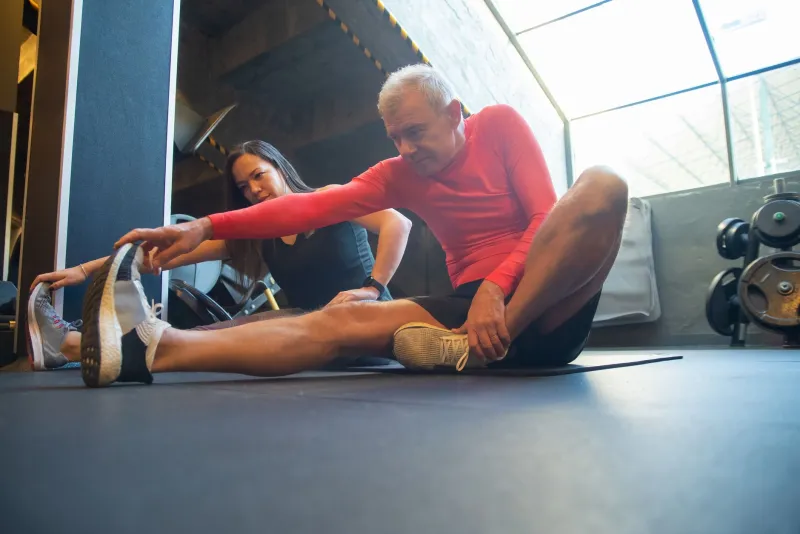
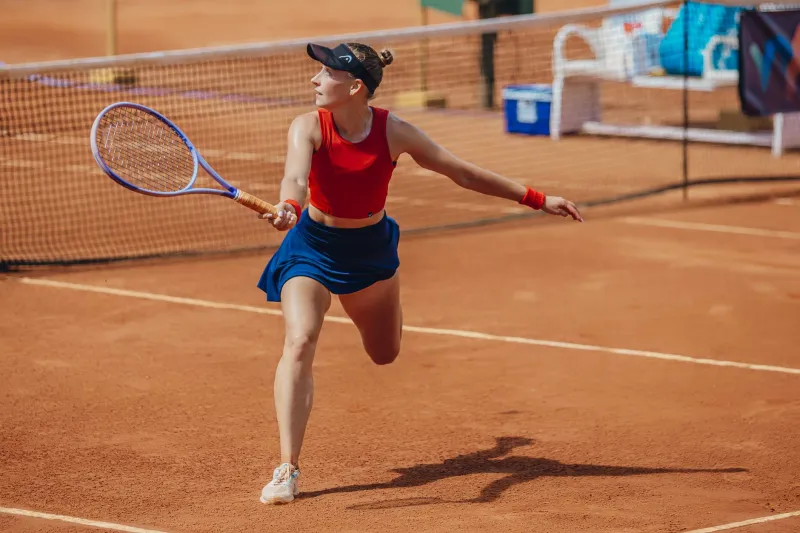
Gray Hair, Green Light: Brands Have Finally Discovered Senior Athletes — And the Checkbooks Are Open
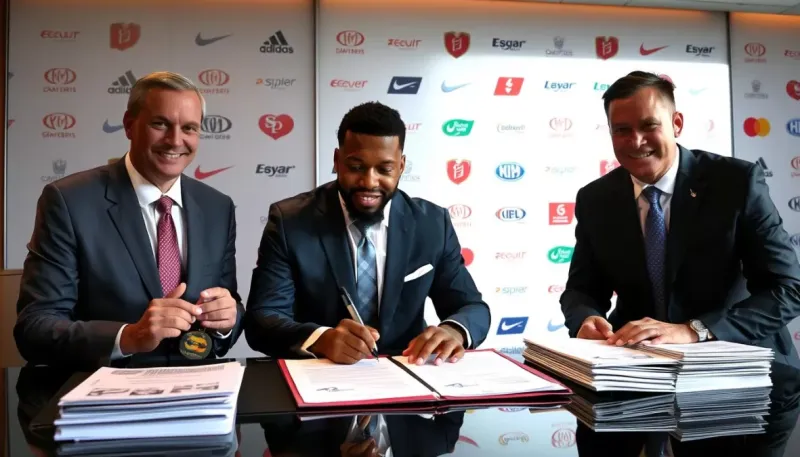
Photo: senior athlete signing sponsorship deal with brand products, via top10sense.com
The Endorsement Deal Nobody Saw Coming
For most of sports marketing history, the script was rigid: brands signed the young, the fast, and the ascendant. Twenty-somethings sold sneakers. Forty-somethings sold insurance. Sixty-somethings, as far as Madison Avenue was concerned, sold retirement communities and cholesterol medication.
That script is officially outdated. Walk the aisles of any major senior games or masters national championship these days and you'll see something that would have been unthinkable a decade ago: sponsor booths, logoed apparel on competitors in their 70s, and brand ambassadors who collect Social Security.
Who's Signing Whom
The movement is being led by a few distinct camps.
Equipment makers were first. Racquet and paddle companies, facing an avalanche of 55-plus customers in the pickleball and tennis boom, began signing senior champions as ambassadors — athletes who actually play the way their customers do, not the way customers wish they did.
Nutrition and recovery brands followed, realizing the fastest-growing demographic in sports participation is also the most loyal customer base. A 68-year-old who finds a protein powder that works is not switching brands on a whim.
Apparel and footwear have been slowest, though that's changing. A handful of major running and lifestyle brands now feature older athletes in national campaigns — not as a punchline, but as the hero of the ad.
The numbers explain why. Older adults control a staggering share of US disposable income, and the 'active aging' demographic is projected to keep growing for decades. Senior athletes aren't a niche. They're a market, and a well-funded one.
How Athletes Are Actually Landing Deals
Here's the part worth underlining: most of these partnerships aren't happening through agents and cold pitches. They're happening through visibility.
The athletes landing sponsorships tend to share a few traits. They compete regularly and post about it — race results, training clips, honest gear reviews. They've built a local or regional following, often through their club or a niche community. And critically, they engage. Brands in this space overwhelmingly say they want ambassadors who talk to people, not just win things.
Practical steps that have actually worked for senior competitors:
- Tag the brands you already use. Companies monitor this more than people realize.
- Get featured in local media. A single newspaper story on a 74-year-old triathlete can generate more inbound interest than a year of cold emails.
- Start with product, not money. Discount codes and free gear are the entry point; cash contracts follow for athletes who can show real influence.
- Be specific about your audience. A retired teacher with 3,000 engaged followers in her age group is worth more to a recovery brand than a generic account with 30,000 random ones.
Genuine Support or Savvy Advertising?
Now for the skeptical view, because it deserves airtime. Some of this is undeniably opportunistic. 'Active aging' is a buzzy category, and a few brands are slapping gray hair on their packaging without changing anything about how they support older athletes — no prize money parity, no age-appropriate product design, no investment in senior events.
The tell, in my view, is commitment. Brands that are serious sponsor senior events year after year, fund age-group prize structures, and actually design gear for older bodies — wider sizing, joint-friendly cushioning, real recovery products. Brands that are just chasing a trend show up for the photo shoot and vanish by the next fiscal quarter.
Athletes should ask hard questions before signing anything: What happens after year one? Is there product input or just product placement? Are they investing in the sport or just in your image?
Why This Moment Matters Anyway
Even with the cynicism, I'd argue the shift is net-positive — maybe hugely so. Every national ad campaign featuring a 70-year-old sprinter normalizes the idea that competition doesn't expire at retirement. Every sponsorship deal signals to a 60-year-old sitting on the fence that there's a world out there worth training for.
And practically speaking, sponsorship money — even modest ambassador deals — lowers the cost barrier to competing. Travel, entry fees, gear: the circuit isn't free, and a brand covering a hotel room can be the difference between going and staying home.
The door is open now. It may not stay open forever, and it certainly isn't equally open to everyone yet. But for the first time, senior athletes can look at the endorsement game and see a seat at the table instead of a spot in the audience.
Take it. And negotiate hard — you've earned that too.