New Sport, New Glory: Why Senior Athletes Are Crushing Divisions They Just Walked Into
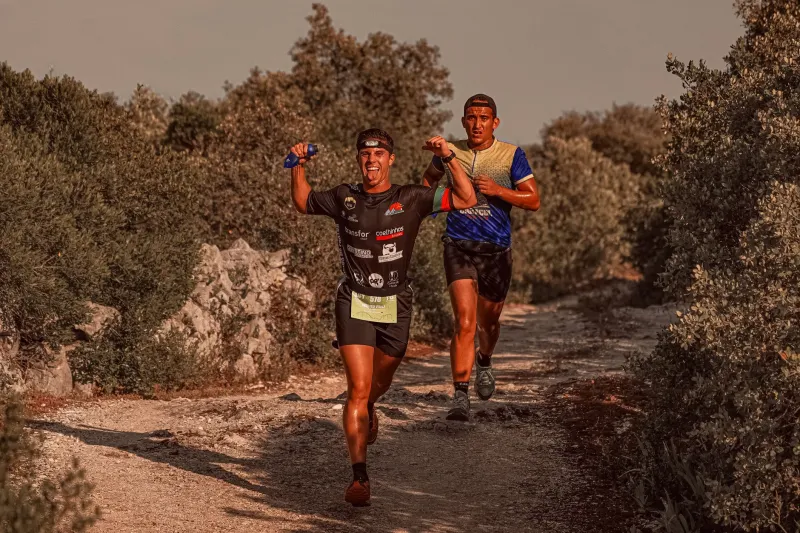
When Linda Castillo showed up to her first masters track meet at 61, she'd spent the previous three decades playing competitive tennis. She'd never run a structured race in her life. Eight months later, she was standing on the podium at a regional 400-meter event, beating women who'd been running competitively for years.
"I honestly didn't know what I was doing at first," she laughs. "But I knew how to train. I knew how to push through discomfort. And I definitely knew how to compete."
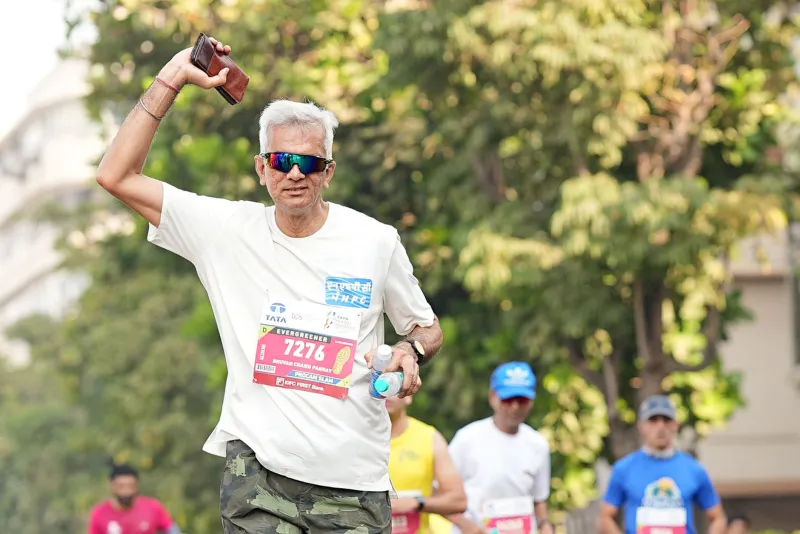
Linda's story isn't a fluke. Across the United States, a quiet revolution is unfolding in masters and senior sports divisions. Experienced athletes — people who built decades of competitive muscle memory in one arena — are pivoting to entirely new sports after 55, and they're winning faster than almost anyone expected.
The Transferable Skills Nobody Talks About
Ask most coaches what makes a great athlete and they'll mention sport-specific technique, physical conditioning, and raw talent. But there's a fourth ingredient that rarely gets mentioned: the ability to train intelligently over the long haul.
That's exactly what experienced senior athletes bring to a new sport. They've already learned how to listen to their bodies, structure a training block, manage fatigue, and stay consistent when motivation dips. Those aren't tennis skills or swimming skills — they're athlete skills. And they transfer almost completely.
"When someone comes to me at 58 who's been competing in something for thirty years, I don't have to teach them how to work," says Mike Okafor, a masters triathlon coach based in Austin, Texas. "I have to teach them the sport. That's a totally different — and honestly easier — conversation."
The physical side of cross-sport adaptation also gets underestimated. Cardiovascular efficiency, joint stability, core strength, spatial awareness — these attributes don't belong to any single discipline. A former competitive cyclist who picks up masters rowing is bringing an aerobic engine that took decades to build. A retired softball player stepping onto a pickleball court already understands angles, reaction time, and competitive pressure.
Ego Is the Enemy — and Senior Athletes Know It
Here's something that rarely gets acknowledged: younger athletes often struggle to be beginners. There's a psychological cost to being new at something when you're accustomed to being good. Pride gets in the way of instruction. Frustration derails progress. The willingness to look awkward and learn slowly is genuinely hard for competitors who are used to excelling.
Many senior athletes, especially those who've been around competitive sports long enough to collect both wins and losses, have made peace with the beginner phase. They've been humbled before. They know what the learning curve feels like, and they're not threatened by it.
"I told my coach on day one: I don't care how stupid I look," says Raymond Park, a 67-year-old former competitive swimmer who took up masters weightlifting three years ago. "I just want to learn it right. And that attitude — I think that's what got me to my first competition faster than anyone expected."
Raymond placed second in his age group at a regional meet just 14 months after picking up a barbell for the first time.
The Division Advantage
There's also a structural reality worth understanding. Masters divisions in many sports are genuinely less saturated than open-age or younger age group categories. In some disciplines — masters rowing, senior track cycling, age-group duathlons — the competitive field is thin enough that a motivated, experienced athlete who arrives with strong foundational fitness can reach the podium in a relatively short window.
That doesn't mean the competition isn't real or the wins don't count. It means the barrier to entry is lower in a way that rewards people who show up later in life with serious intentions.
Sports like pickleball, masters swimming, senior tennis, and age-group triathlon have seen significant growth in participation among athletes over 55 — many of whom are arriving from completely different competitive backgrounds. The Senior Cup MTY community sees this regularly: athletes who built their competitive identity in one sport finding a second athletic life somewhere entirely new.
How to Actually Make the Switch
If you're a competitive athlete in your late 50s or beyond and you're curious about trying something new, the approach matters.
Start with a physical audit. What does your body do well right now? If you have strong aerobic capacity, endurance-based sports are a natural landing zone. If you have excellent hand-eye coordination and lateral quickness, racket sports or court games might suit you. Match the new sport to your current strengths, not the strengths you had at 35.
Find a coach who works with masters athletes specifically. General coaching advice often doesn't account for the recovery needs, injury history, or motivational patterns of older competitors. A coach who understands the senior athlete experience will get you to competition-ready faster and more safely.
Give yourself a real timeline. Twelve to eighteen months of focused, structured training before your first competition is a reasonable window for most sports. Be patient with technique. Rushing it leads to injury, and injury leads to frustration.
Compete before you feel ready. This one surprises people, but experienced athletes almost universally say that entering a low-stakes local event earlier than feels comfortable accelerates learning dramatically. You'll discover gaps in your preparation that training alone won't reveal.
The Second Athletic Life
What Linda, Raymond, and thousands of athletes like them are discovering is that competitive sports in your 60s and beyond don't have to look like a slower version of what you did before. They can look like something entirely new — a different arena, a different challenge, and sometimes a different kind of success.
The skills you've built over a lifetime of competing aren't locked to one sport. They belong to you. And if you're willing to walk into a new division as a student, you might just walk out of it as a champion.
Compete boldly. Age proudly. And don't rule out the sport you haven't tried yet.