Sorry, Grandpa: What Happens When Three Generations Sign Up for the Same Tournament
Photo: FBenjr123, CC BY-SA 4.0, via Wikimedia Commons
The Group Chat Is Now a Scouting Report
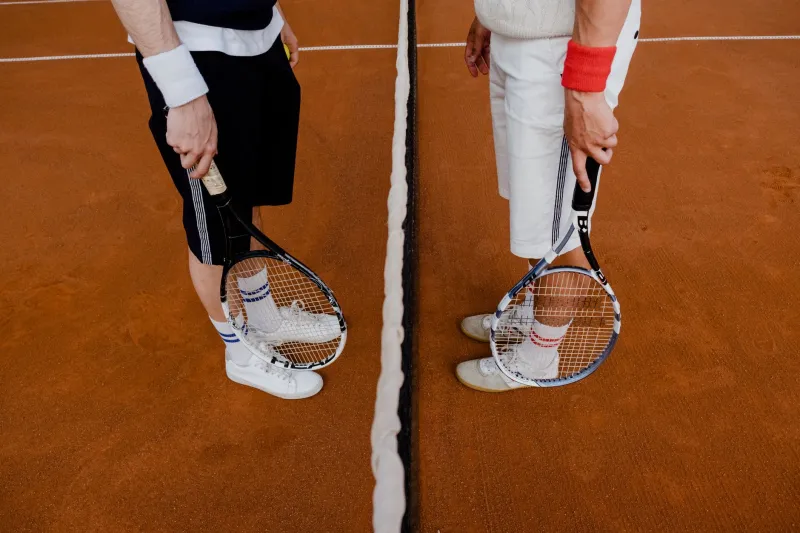
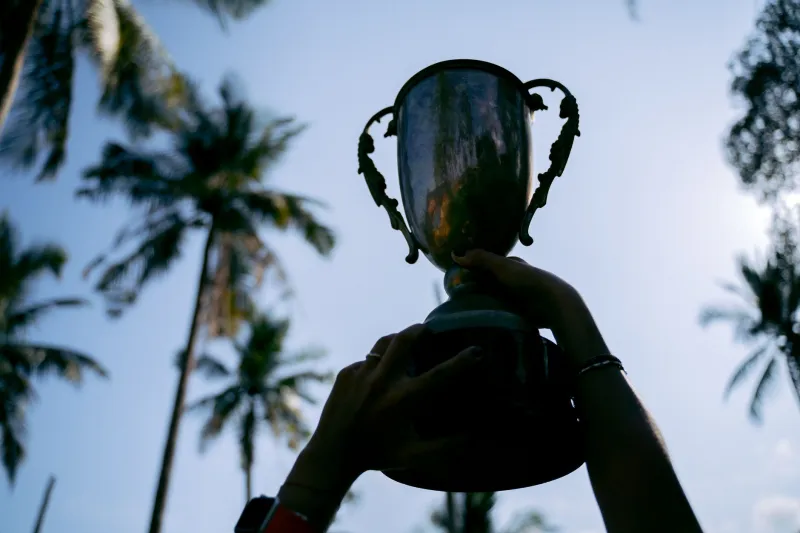
Every December, the Vasquez family tennis tournament in San Antonio gets heated. Not because of the stakes — the trophy is a repainted thrift-store statue — but because 72-year-old Emilio Vasquez has spent all year quietly studying the serve of his 19-year-old grandson, who has spent all year pretending not to care.
"He texts me video of himself practicing," the grandson admits. "He thinks I don't know it's psychological warfare. It's psychological warfare."
Welcome to the most entertaining corner of senior sports: the multigenerational rivalry, where the family dinner table doubles as a scouting session and holiday gatherings come with pre-match tension.
Family Brackets Are Popping Up Everywhere
Across the country, clubs and tournaments are catching on. Family-bracketed tennis events — where relatives get seeded into the same draw whenever possible — have become some of the fastest-growing formats at community tennis centers. A handful of facilities in Texas, Florida, and the Carolinas now run annual "generations" tournaments with official divisions for grandparent-grandchild doubles and parent-child combinations.
The appeal is obvious. Most senior competition separates athletes by age group, which means a 68-year-old and her 30-year-old daughter rarely share a court. Family formats throw that rule out the window. And when they do, the trash talk writes itself.
"My dad has beaten me in front of my own children," says one recreational player in her 40s. "There is no recovering from that. There's no come back from that at Thanksgiving."
The Training Dynamic Nobody Predicts
Here's the twist: these rivalries tend to make everyone better, and not in the direction you'd expect.
Younger relatives say competing against older family members forces them to play smarter — no free points, no out-hitting someone who's seen every shot a thousand times. Meanwhile, the senior competitors report something even more valuable: a reason to train. A scheduled rematch with a 25-year-old nephew is a far better motivator than any fitness app.
Sports psychologists have a term for the broader effect — socially embedded motivation — but the families just call it "not wanting to lose to your own blood."
There's a bonding layer here, too, that surprises people. A grandparent and grandchild drilling together twice a week are logging hours of conversation they'd never otherwise have. The rivalry gives them a shared language.
The Famous Matchups That Started It
Multigenerational competition isn't purely a grassroots thing. Tennis history is full of them — the Connors family lineage, the McEnroe brothers graduating into senior-level play, and countless pro offspring who've squared off against their fathers in exhibition and doubles formats. Golf, too, has given us legendary father-son and now grandfather-grandson pairings on senior tours.
What's changed is accessibility. You no longer need a famous last name to get in on it. Local clubs are building the brackets, national senior games are adding family relay and doubles events, and pickleball — the great generational equalizer — has made grandparent-versus-grandkid matches a weekly occurrence in thousands of driveways and rec centers.
How to Start One in Your Family
Clubs that run successful family events follow a simple playbook:
- Keep the format short. Round-robin or fast-four sets keep matches close and everyone playing.
- Mix the pairings. Grandparent-grandchild doubles prevents the obvious blowouts and forces the best banter.
- Make the trophy ridiculous. The cheaper and uglier the prize, the harder everyone fights for it.
- Schedule it annually. Traditions need a date on the calendar to survive.
The Vasquez tournament, for the record, is entering its ninth year. Emilio has won five of them. His grandson has won two. Everyone involved agrees the gap is closing.
"He's getting older," the grandson says. "I'm getting better. Do the math."
Emilio's response, when told of the quote: "He should spend less time doing math and more time practicing his backhand."
Family dinner is going to be great this year.