Eat Like You Mean It: The Food Strategies Fueling Senior Competitors at the Top of Their Game
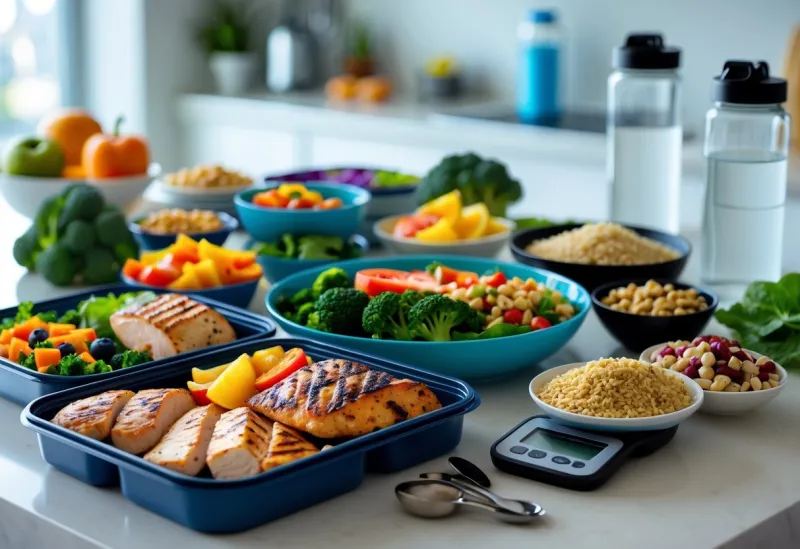
Photo: senior athlete healthy meal prep protein vegetables kitchen, via amazingfoodanddrink.com
For a long time, the conversation around senior athletics focused almost entirely on what the body can't do anymore. Slower recovery. Less muscle. Creaky joints. But something interesting is happening in locker rooms, kitchen tables, and pre-match warm-up areas across Senior Cup MTY events — older athletes are quietly rewriting the rulebook, and a lot of it starts with what they're eating.
Nutrition for aging athletes isn't just about eating "healthy." It's about eating smart, with a specific understanding of how the body changes after 55 and what it actually needs to perform, recover, and keep showing up to compete.
Your Metabolism Isn't Broken — It Just Changed
Here's the deal: as we age, our bodies become less efficient at processing certain nutrients, particularly protein. Research published in the Journal of the Academy of Nutrition and Dietetics has shown that older adults need significantly more protein per pound of body weight than younger people to achieve the same muscle-building response. That's not bad news — it just means the strategy needs to shift.
Many Senior Cup MTY competitors have already made this adjustment. Take Carol Hutchins, a 67-year-old doubles tennis player from Phoenix who started working with a sports dietitian two years ago. "I was eating what I thought was enough protein — some chicken at dinner, maybe eggs in the morning," she says. "But I wasn't spreading it out the way I needed to be. Once I fixed that, my recovery between matches got noticeably better."
The key insight Carol's dietitian shared with her? Protein timing. Rather than loading up at one meal, spreading 25–35 grams of high-quality protein across each meal and even post-workout snacks keeps muscle protein synthesis running throughout the day. Think Greek yogurt after a training session, a palm-sized piece of salmon at lunch, and a handful of edamame with dinner.
Fighting Inflammation From the Inside Out
Anyone who's played competitive tennis or any other sport well into their 60s and 70s knows that inflammation is the uninvited guest that never fully leaves. Joints ache longer. Soreness lingers. But a growing number of senior athletes are using food as their first line of defense — and it's working.
Anti-inflammatory eating isn't a fad. It's backed by solid science. Foods rich in omega-3 fatty acids — wild-caught salmon, sardines, walnuts, flaxseed — have been shown to reduce the inflammatory markers that spike after intense physical activity. Tart cherry juice, in particular, has become something of a cult favorite among Senior Cup MTY competitors. Studies from the American College of Sports Medicine have found that tart cherry supplementation can reduce post-exercise muscle soreness by up to 24%.
Turmeric, ginger, and dark leafy greens round out what many sports nutritionists now call the "inflammation-fighting five" for older athletes. These aren't exotic ingredients — they're available at any Whole Foods, Trader Joe's, or local farmers market. The trick is making them a consistent part of your routine, not just something you reach for when you're already hurting.
Hydration: The Overlooked Performance Variable
Older adults have a naturally diminished sense of thirst. That's not a character flaw — it's physiology. But on a competition day, even mild dehydration (as little as 2% of body weight) can measurably hurt reaction time, endurance, and decision-making.
Senior athletes competing in outdoor summer tournaments — a common scenario at many Senior Cup MTY events — need to be especially proactive. Sports dietitians recommend starting hydration the evening before a match, not the morning of. Electrolyte-rich drinks that include sodium and potassium can help older athletes retain fluid more effectively than plain water alone. Coconut water, low-sugar sports drinks, or even a homemade mix of water with a pinch of sea salt and a squeeze of lemon are practical, affordable options.
Don't wait until you're thirsty. By then, you're already behind.
Carbs Aren't the Enemy — But Timing Is Everything
In an era obsessed with low-carb diets, plenty of senior athletes have cut carbohydrates dramatically — sometimes to their own detriment. Carbohydrates remain the body's primary fuel source for high-intensity activity, and eliminating them before a match can leave you flat, slow, and mentally foggy.
The smarter approach is strategic carbohydrate intake. A moderate serving of complex carbs — oatmeal, sweet potato, whole grain toast — two to three hours before competition gives your muscles the glycogen they need without causing an energy crash. After competition, pairing carbs with that protein-rich snack helps restore glycogen stores and accelerates recovery.
Robert Vega, a 71-year-old singles player from San Antonio who qualified for Senior Cup MTY's 70+ bracket last year, swears by a pre-match meal of oatmeal with banana and almond butter. "I used to skip breakfast before matches because I didn't want to feel heavy," he admits. "Now I eat that same meal every time, and I feel sharper in the third set than I used to feel in the first."
Supplements Worth Talking About
Whole foods should always be the foundation, but a few supplements have earned their place in the senior athlete's toolkit:
- Vitamin D + Calcium: Bone density becomes a genuine concern after 60. Most Americans — especially those living in northern states — are deficient in vitamin D, which is essential for calcium absorption.
- Creatine monohydrate: Once considered the domain of bodybuilders, creatine has been shown in multiple studies to help older adults maintain muscle mass and power output. The evidence is strong enough that many sports medicine physicians now recommend it for senior athletes.
- Magnesium: Supports muscle function, sleep quality, and reduces cramping — three things every competitive senior athlete cares about deeply.
Always check with your doctor before adding supplements, especially if you're managing any chronic conditions or taking medications.
The Bigger Picture
Nutrition for senior athletes isn't about perfection — it's about consistency and intention. Small, sustainable changes made over weeks and months add up to meaningful competitive advantages. The athletes thriving on the Senior Cup MTY circuit aren't eating perfectly. They're eating purposefully, with a clear understanding of what their bodies need to keep doing what they love.
Compete boldly. Fuel accordingly.