The Trophy Is the Souvenir: Why America's 60-Plus Set Is Turning Tournaments Into Vacations
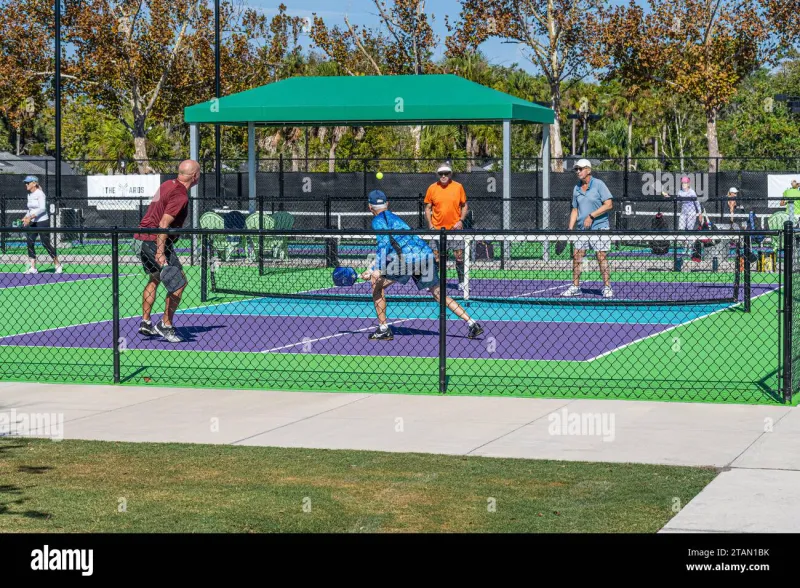
Photo: senior pickleball tournament Florida outdoor courts group players, via c8.alamy.com
Picture this: a January morning in Fort Lauderdale. The temperature is 74 degrees back home in Minneapolis it's 11 below. You've got a 9 a.m. match, a beach chair with your name on it for the afternoon, and dinner reservations with the couple you met at last year's event in Tucson.
This is the senior sports vacation, and it's quietly become one of the biggest stories in American travel.
The Tournament Is the Destination
Talk to enough people on the senior circuit and a pattern emerges: the competition came first, but the travel kept them coming back.
The landscape is enormous once you start looking. USTA national age-group championships in places like San Diego, Orlando, and Albuquerque. Pickleball festivals in The Villages and Surprise, Arizona that draw thousands. Masters track and swimming meets in college towns with great facilities and cheap hotels. Ski camps for 60-plus skiers at Steamboat and Breckenridge that blend coaching with mountain time.
For a lot of competitors, the annual calendar is built around these trips the way other retirees build around grandkids' birthdays and hunting season. Three or four destination events a year, each one a week of competition, socializing, and exploring somewhere new.
"My wife and I plan our whole year around tournament season," a 68-year-old tennis player from Kansas City told us. "We've seen more of this country at 65 than we did at 35 — and we've got a medal from most of it."
What It Actually Costs
Let's talk numbers, because this is where first-timers get surprised — usually pleasantly.
A realistic budget for a week-long national event, including registration ($75–$150 for most age-group tournaments), flights or gas, lodging, rental car, and meals: $1,200 to $2,500 per person, depending on destination and how fancy your hotel taste runs. Compare that to a cruise or a resort week, and the math gets interesting — especially when the trip includes a genuine competitive goal.
Ways the regulars keep costs down:
- Book the host hotel early or skip it entirely. Tournament blocks fill fast, but nearby vacation rentals are often cheaper for a week.
- Split everything. Doubles partners share cars, rentals, and frequently entire houses. The senior circuit runs on roommates.
- Drive to regionals. A three-hour drive to a sectional event is the cheapest competition vacation in America.
- Stay for the week, not the weekend. Flights are cheaper midweek, and you came for the destination too, right?
The Social Secret Nobody Puts in the Brochure
Here's what the glossy tournament websites don't tell you: the community is the real product.
Senior tournaments run on repeat attendance. Show up to the same event two or three years running and you'll have a standing dinner crew, a group text, and people who ask about your hip surgery by name. Many competitors say the friendships matter more than the draws — though nobody turns down a medal.
For recently retired folks, this is a bigger deal than it sounds. Retirement researchers have been saying for years that the biggest risk of leaving work isn't financial — it's social. A tournament circuit solves that problem with a schedule, a shared passion, and a built-in reason to see the same people four times a year.
Planning Your First Competition Vacation
Ready to test the waters? Here's the rookie playbook:
1. Pick a sport you already play — and an event within driving distance. Your first destination event should be a confidence-builder, not a logistics test.
2. Register early and book refundable lodging. Draws can fill weeks out, and weather happens.
3. Add two days on either end. Arrive early to adjust, acclimate, and find the venue. Stay late to actually see the place.
4. Manage expectations. Your first national event is about learning the rhythm — check-in, warm-up courts, match scheduling, the works. Consider it a scouting trip.
5. Bring a non-competing partner or friend. Or don't — solo travelers on the senior circuit report making friends before the first ball is struck.
The Takeaway
There are worse ways to see America than from the seat of a folding chair between matches, sun on your face, bracket sheet in your pocket, and a whole week of good competition ahead.
The trophy is the souvenir. The trip is the point.